

Grizzly bear vs silverback gorilla
A grizzly is favoured if both animals stay and fight on the ground. Its weight, claws and bite are a difficult combination to overcome. But could a silverback use the trees to end the fight on its own terms?
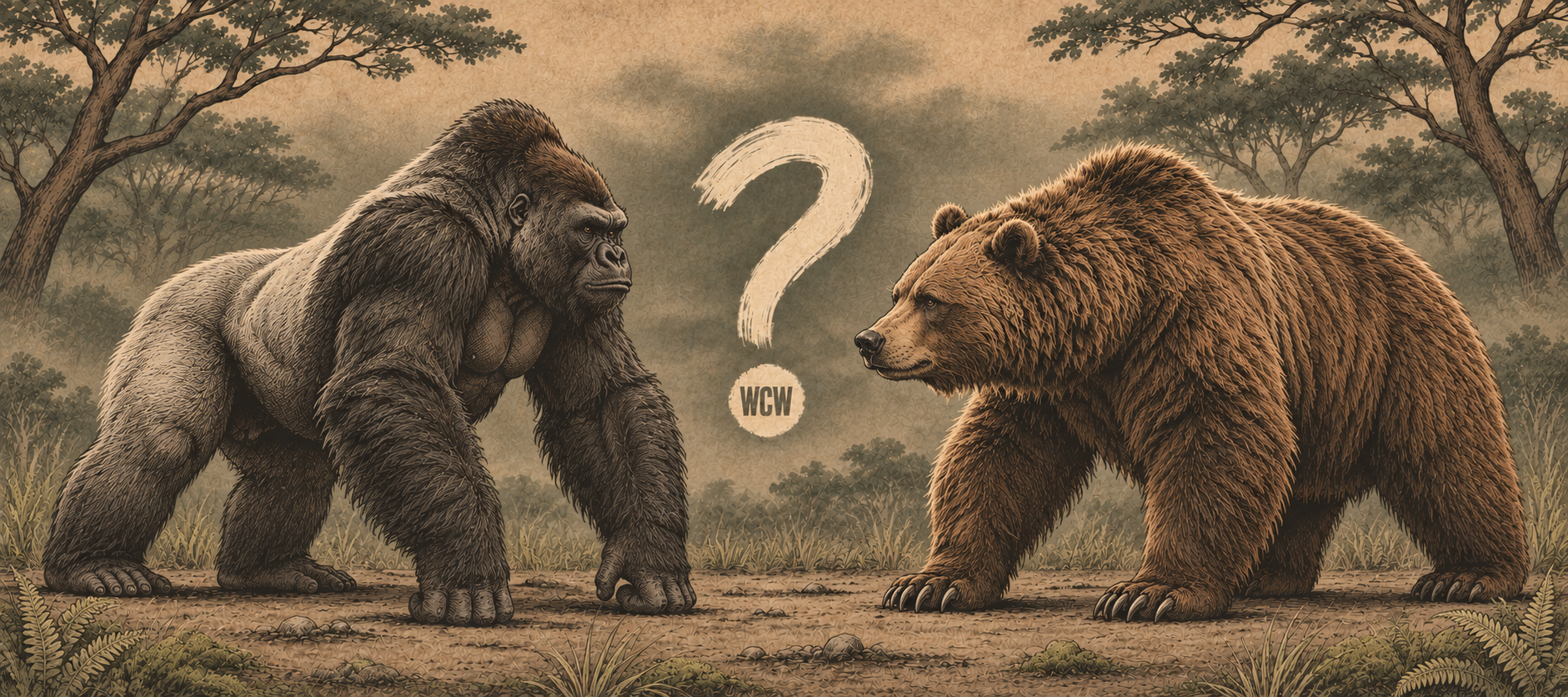
How much heavier is the grizzly?
For this matchup, we picked two healthy adult males: a 300 kg inland grizzly and a 180 kg western lowland silverback. The bear is 120 kg heavier, about 67% more than the gorilla.
These are the weights of our two fictional contenders. Yellowstone’s published male grizzly range is 98–325 kg. Smithsonian’s National Zoo lists adult male western lowland gorillas at an average of about 136 kg and up to about 227 kg. The ranges and averages describe different populations, and the size gap depends on the individuals.
National Park Service · Yellowstone bear identification · Smithsonian’s National Zoo · Western lowland gorilla
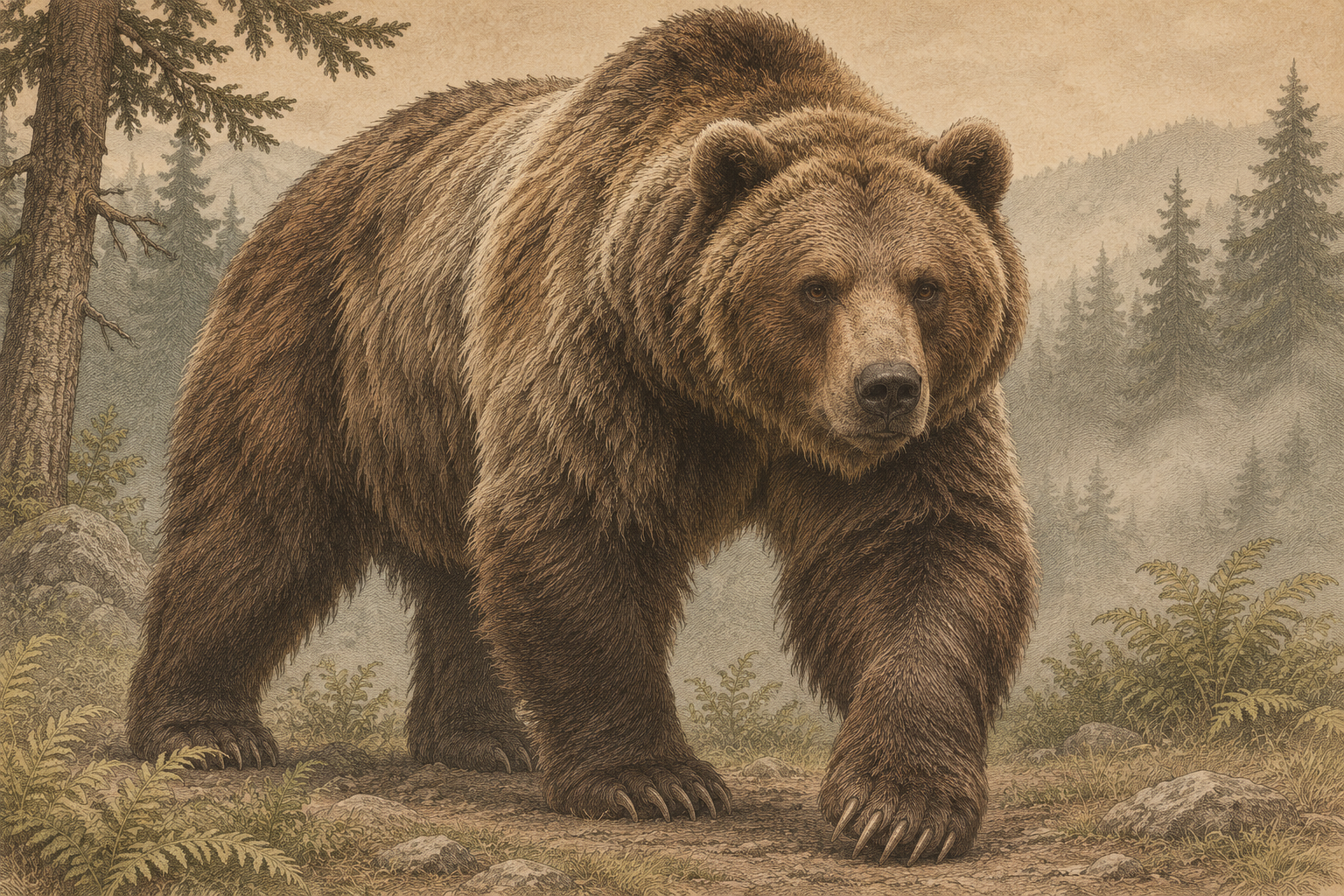
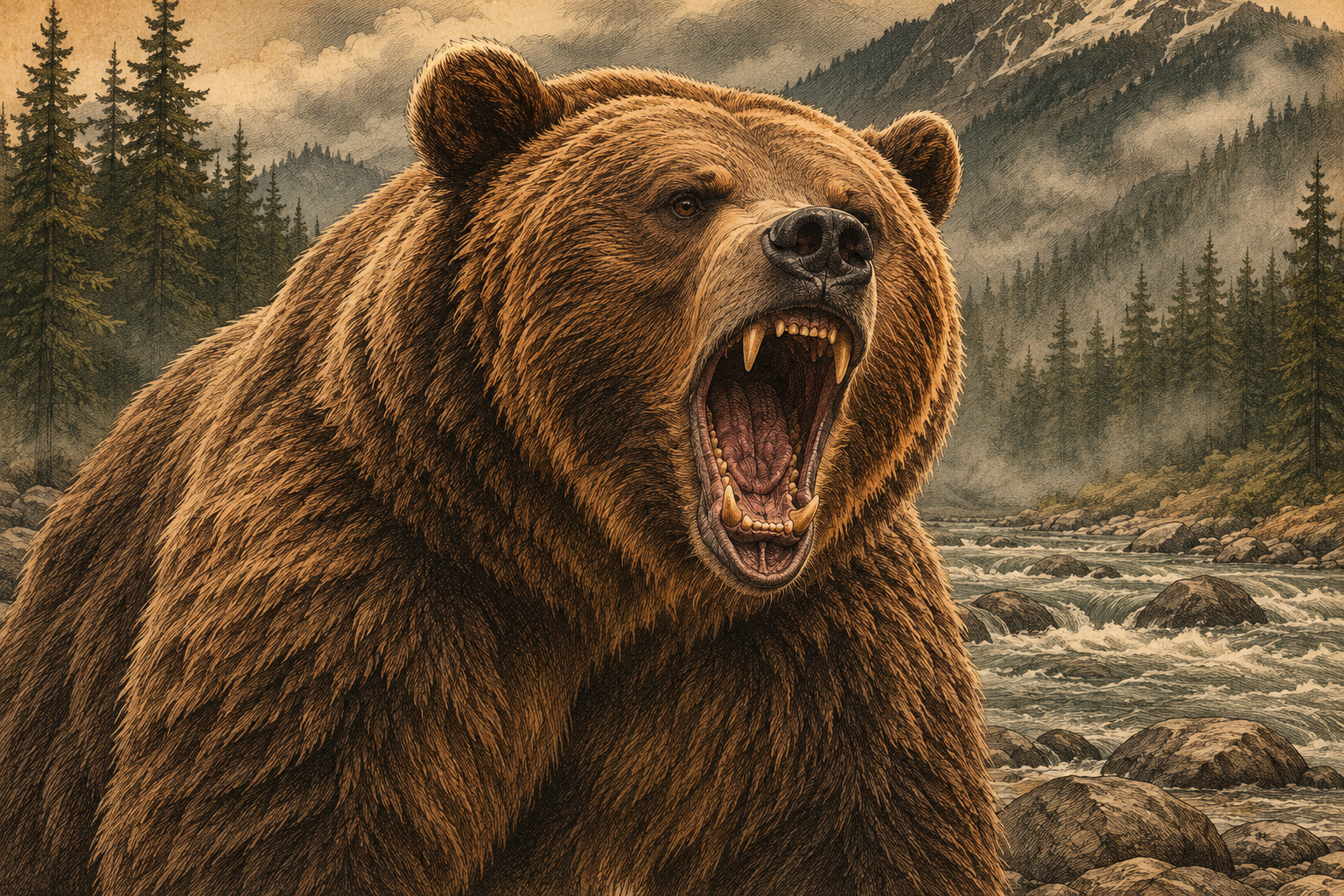
Grizzly bear
The bear’s mass gives it an advantage when it can drive forward on firm ground. Its foreclaws and bite threaten at close range.
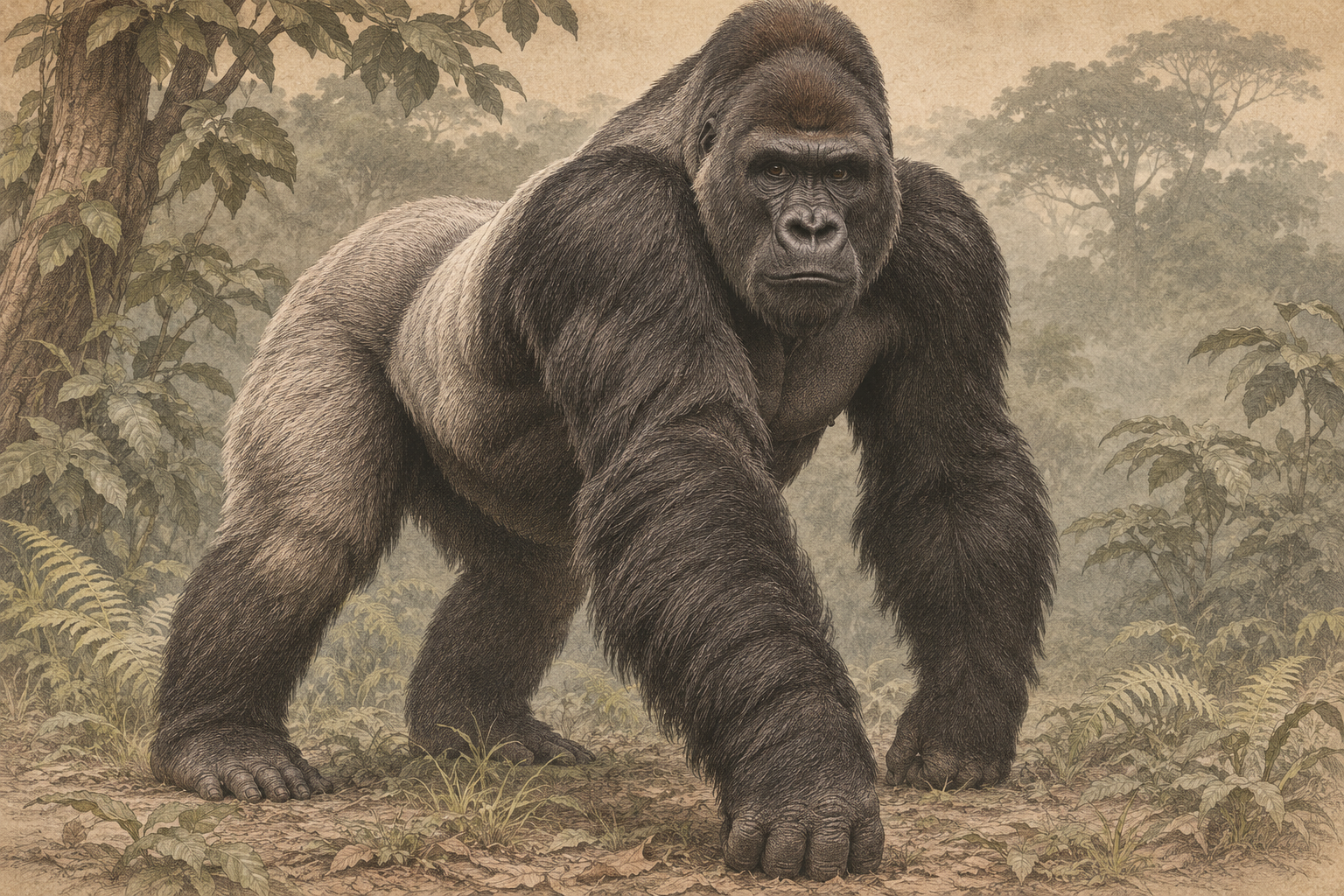
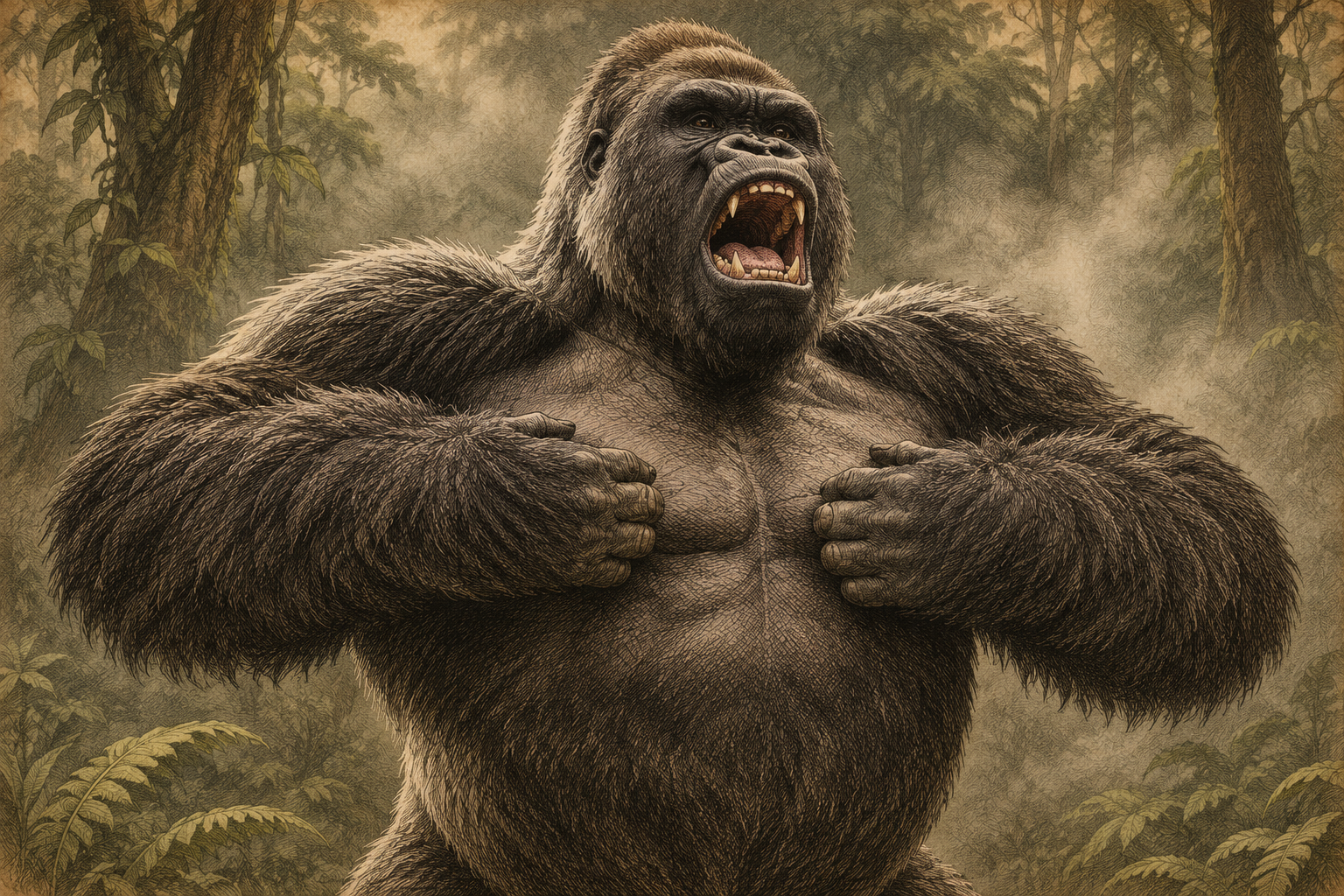
Silverback gorilla
Long arms, grasping hands and large canines give the silverback a way to grab or bite during a close exchange.
What would decide the encounter?
Could a grizzly and a gorilla ever meet in the wild?
Their natural ranges are on different continents. Grizzlies live in North America, including parts of Canada and the United States. Western lowland gorillas inhabit forests in west-central Africa, including Gabon, Cameroon and the Republic of the Congo.
U.S. Fish & Wildlife Service · Grizzly bear range assessment, map on p. 6 · Smithsonian’s National Zoo · Western lowland gorilla
What can each animal do at close range?
The grizzly can strike with a clawed forepaw or bite. The gorilla can grab with its hands and bite with large canines. Getting a grip on the bear still leaves the gorilla within reach of those claws and jaws. Published bite-force estimates alone cannot tell us which animal lands the first effective bite.
National Park Service · Yellowstone grizzly facts · Smithsonian’s National Zoo · Western lowland gorilla
How much would speed matter?
On open ground the grizzly can close distance quickly. The National Park Service lists a short-burst speed of 35–40 mph (56–64 km/h). There is no equivalent head-to-head measurement for these contenders, and top running speed tells us little about how either would turn or react on slippery ground.
What does a silverback’s chest beat tell us?
It is a display that can communicate information before contact. Field researchers found that larger male mountain gorillas produced chest beats with lower peak frequencies. Our contender is a western lowland gorilla, so the study helps explain what a display can communicate without telling us how a grizzly would respond.
Wright et al. · Chest beats and body size in mountain gorillas · Smithsonian’s National Zoo · Western lowland gorilla
Is the gorilla the better climber?
The silverback has the more convincing advantage once it reaches suitable branches. A field study recorded a wild western lowland silverback climbing vertically and moving through trees, though he rarely moved above 20 metres compared with younger animals in the study group. Adult grizzlies can climb too. A sturdy tree with accessible branches could help the gorilla open a gap, but reaching the trunk alone would leave it within reach.
King et al. · How wild western lowland gorillas move in trees · National Park Service · Yellowstone grizzly facts
Could a gorilla use a branch as a weapon?
A branch is possible as an improvised object, but its value as a weapon here is speculative. In the Republic of the Congo, researchers saw one wild western gorilla use a branch to probe water and steady herself. Another used a detached stem for support and as a bridge. Those observations establish tool use. A defensive strike against a bear remains fiction, and holding a branch while climbing could cost the gorilla a grip.
How could the gorilla get the upper hand?
A clean early bite could make the bear hesitate, and a missed swipe could give the gorilla time to move out of reach. The clearest advantage in this wooded setting would come from breaking contact and reaching sturdy branches before the bear can close the gap.
What if neither animal commits to the fight?
Both eat substantial amounts of plant food. The grizzly is an opportunistic omnivore, while the western lowland gorilla feeds largely on fruit and other vegetation. In this scenario there is no cub, troop or food source at stake. Either animal could back off after the initial display.
National Park Service · Yellowstone grizzly facts · Smithsonian’s National Zoo · Western lowland gorilla
How could the fight unfold?
A fictional encounter on the edge of a muddy clearing. Both animals see each other coming, and a broad, leaning tree stands close to the bank.
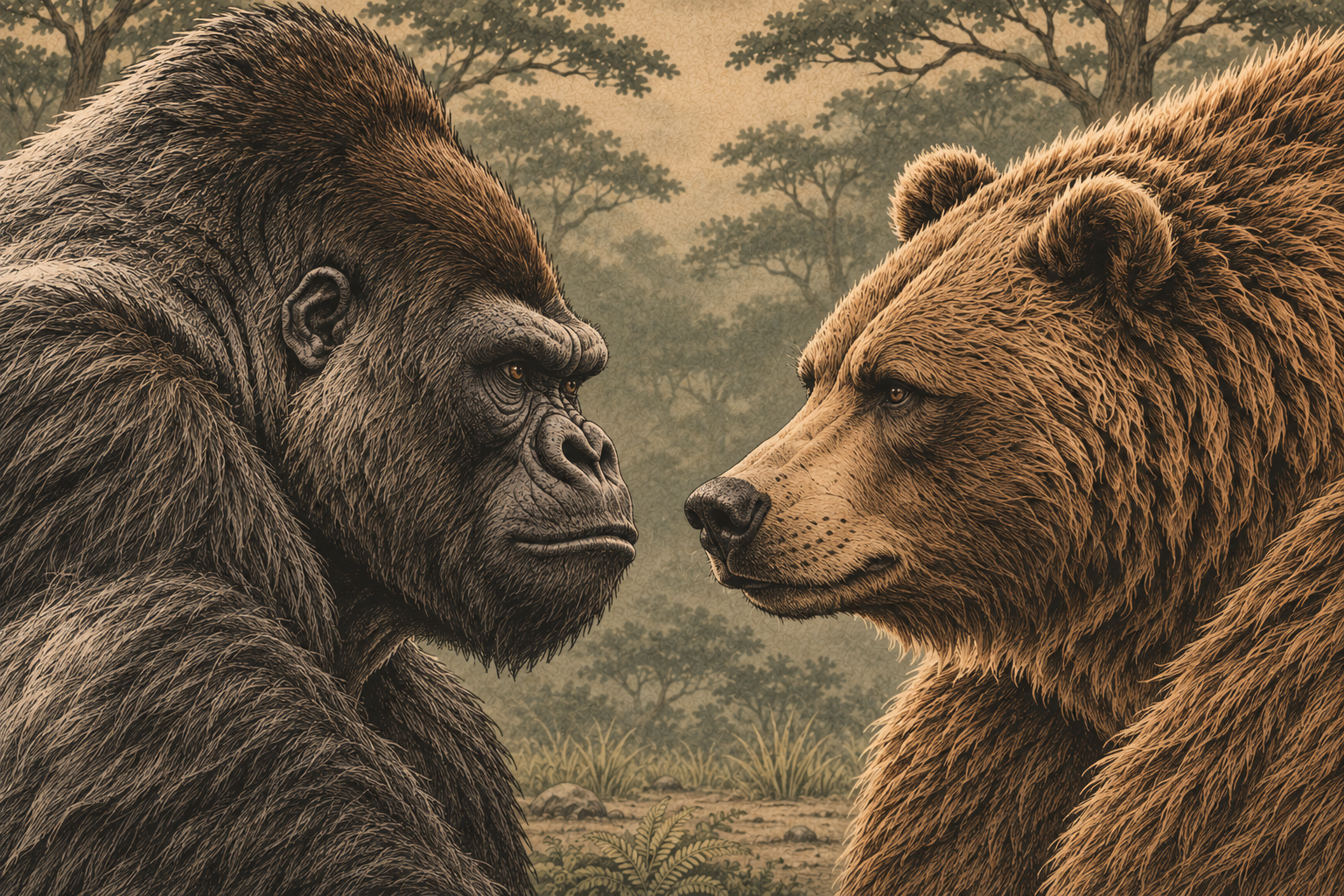
The warning
The silverback rises and drums its chest. Across the clearing, the grizzly lifts its head. For a moment, both hold their ground.
The swipe that misses
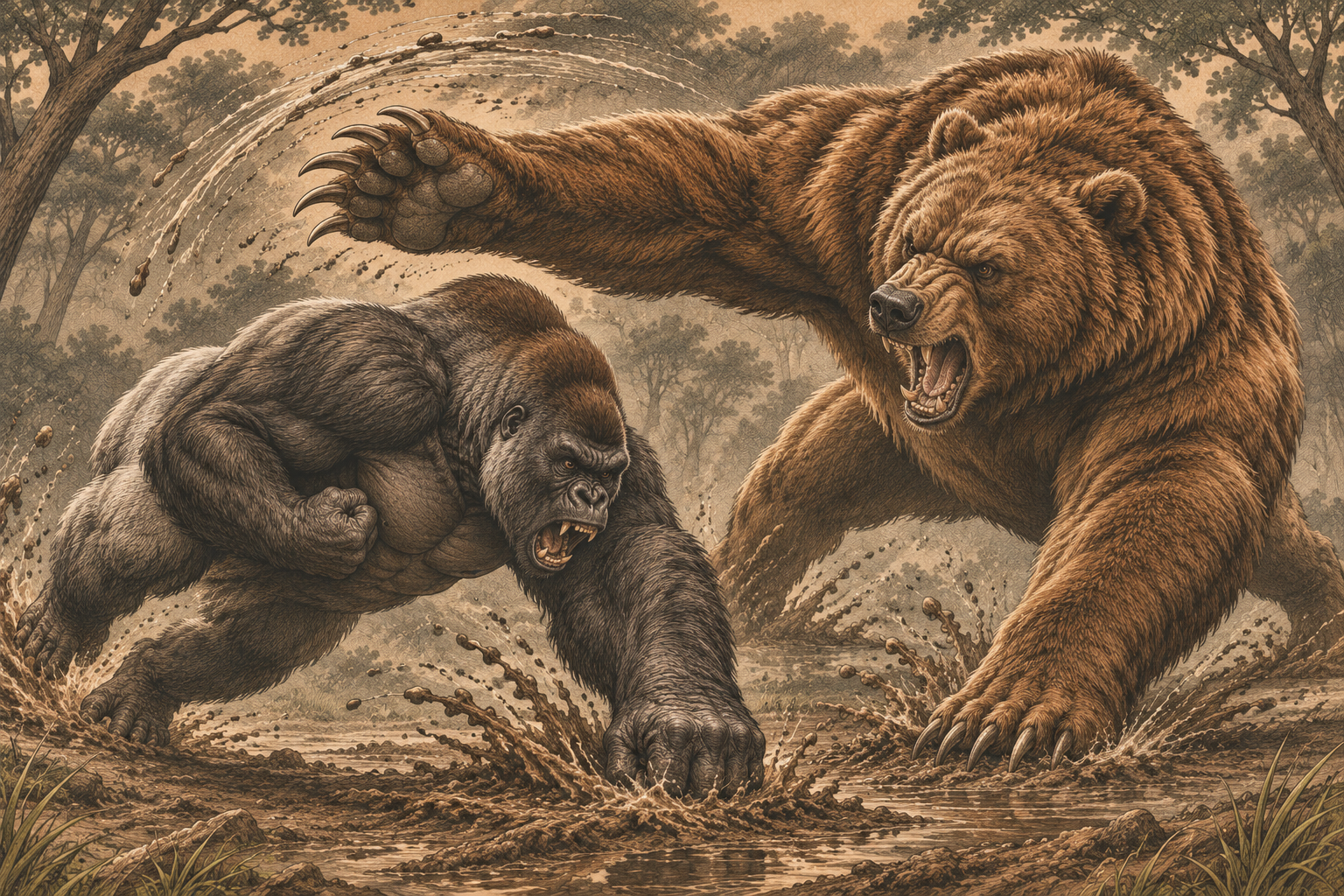
The bear swings. The silverback drops low and drives forward, planting a knuckle in the mud as the paw passes overhead. For an instant, the bear’s flank is open.
The grizzly takes the bank
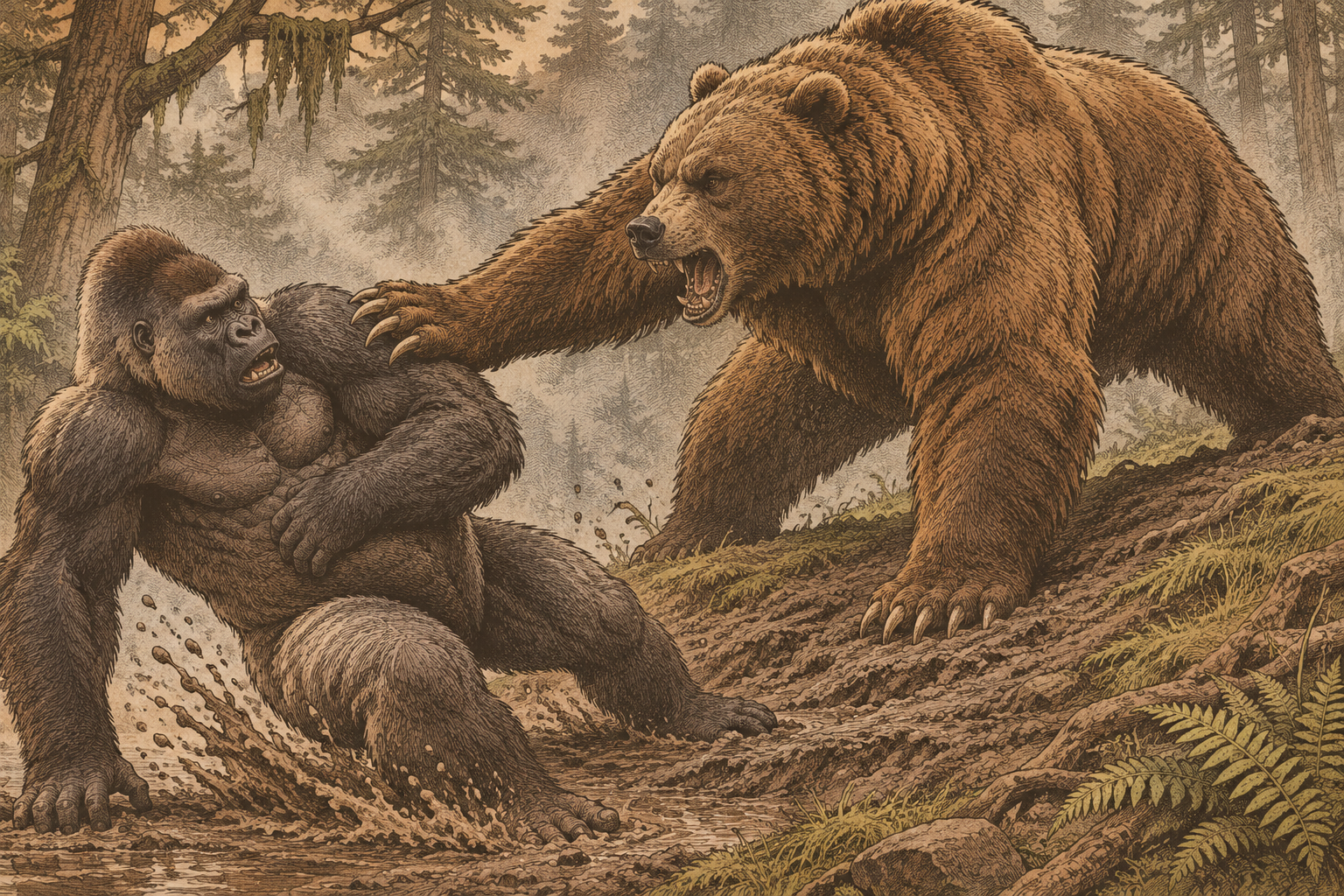
The gorilla tries to close the gap, but the bear pivots and catches it across the shoulder. One foot slips. The silverback braces with a hand as the grizzly drives it down the muddy slope.
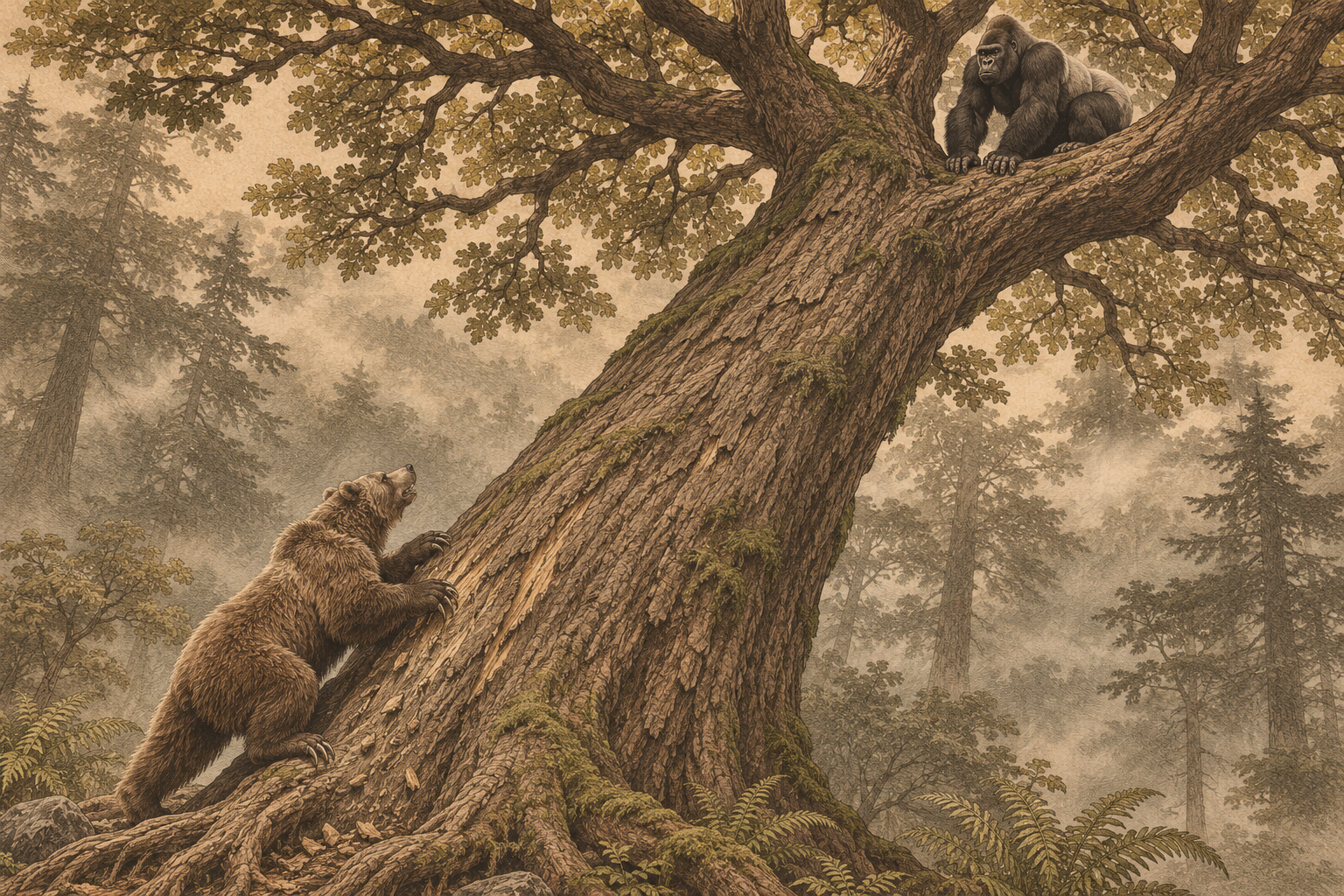
The silverback takes to the tree
The gorilla scrambles up the leaning trunk and reaches a high fork. Below, the grizzly digs its claws into the bark and starts after it. The silverback watches from a thick branch, several body lengths out of reach. The bear pauses. The clearing goes quiet.
Who would win, a grizzly or a gorilla?
On the ground, the grizzly is favoured. At 300 kg against 180 kg, it has a substantial mass advantage and can attack with its claws as well as its bite. The gorilla can inflict serious damage at close range, but it would have to stay within reach to do it.
In the forest, the silverback has an escape route. A suitable tree could let it open enough distance to end the encounter. If the bear disengages, both survive. A different weight pairing, terrain or first exchange could change the outcome.
Sources
- National Park Service · Yellowstone bear identification
- National Park Service · Yellowstone grizzly facts
- Smithsonian’s National Zoo · Western lowland gorilla
- U.S. Fish & Wildlife Service · Grizzly bear range assessment, map on p. 6
- King et al. · How wild western lowland gorillas move in trees
- Breuer et al. · Tool use in wild gorillas
- Wright et al. · Chest beats and body size in mountain gorillas
Related matchup · Lion vs Tiger