

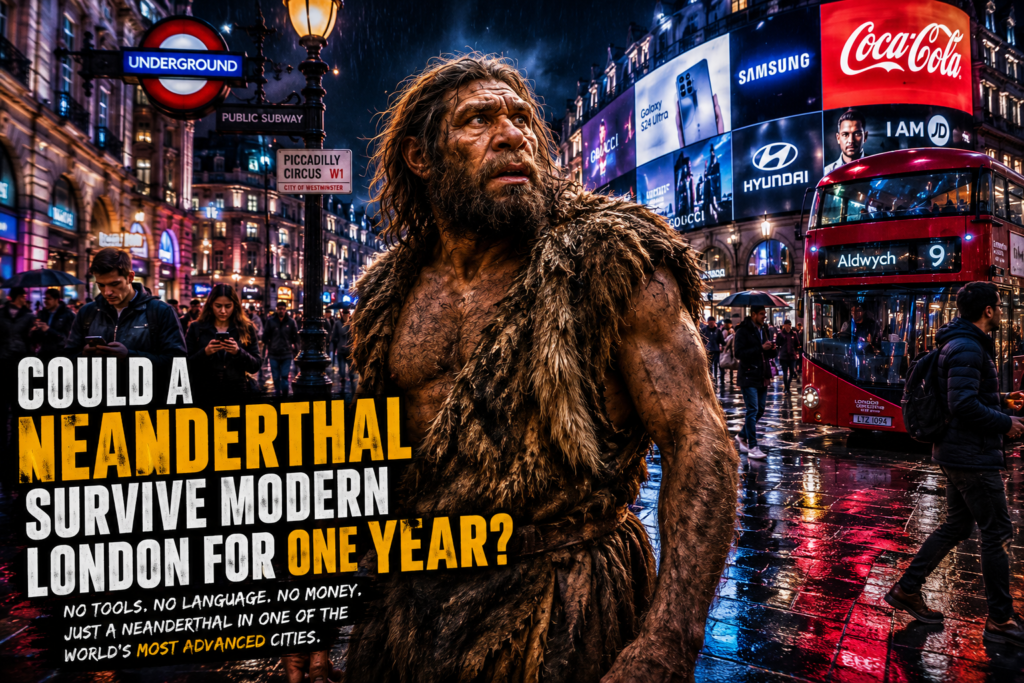
Could A Neanderthal Survive Modern London For One Year?
Imagine waking up in the middle of Piccadilly Circus with no idea where you are.
The lights are blinding. Giant screens flash overhead. Thousands of strangers rush past speaking a language you cannot understand. Cars roar in every direction. Sirens echo through the streets.
Now imagine you’re not a confused tourist.
You’re a Neanderthal.
Transported more than 40,000 years into the future, this ancient human ancestor suddenly finds himself dropped into one of Earth’s most advanced cities. No money. No language. No identification. No friends. No understanding of modern laws, technology or society.
Yet this isn’t an ordinary man.
Neanderthals survived some of the harshest conditions humanity has ever faced. They hunted enormous Ice Age animals with primitive weapons. They endured freezing temperatures, dangerous predators and unforgiving landscapes that would challenge most modern humans.
In many ways, a Neanderthal is better equipped for raw survival than the average person today.
But modern London presents a completely different challenge.
Food is everywhere, but it must be bought. Shelter exists on every street, but almost all of it is locked behind money, paperwork and rules. Millions of people surround him, yet communication may be impossible. Even something as simple as crossing a road could become a life-threatening experience.
The question isn’t whether a Neanderthal is tough.
The question is whether ancient survival instincts can overcome a world built entirely around technology, language and social systems.
Would he adapt and learn?
Would human curiosity lead people to help him?
Or would the modern world prove to be an obstacle too complex for even one of humanity’s toughest ancestors?
Let’s find out.
The Challenger vs The Opponent
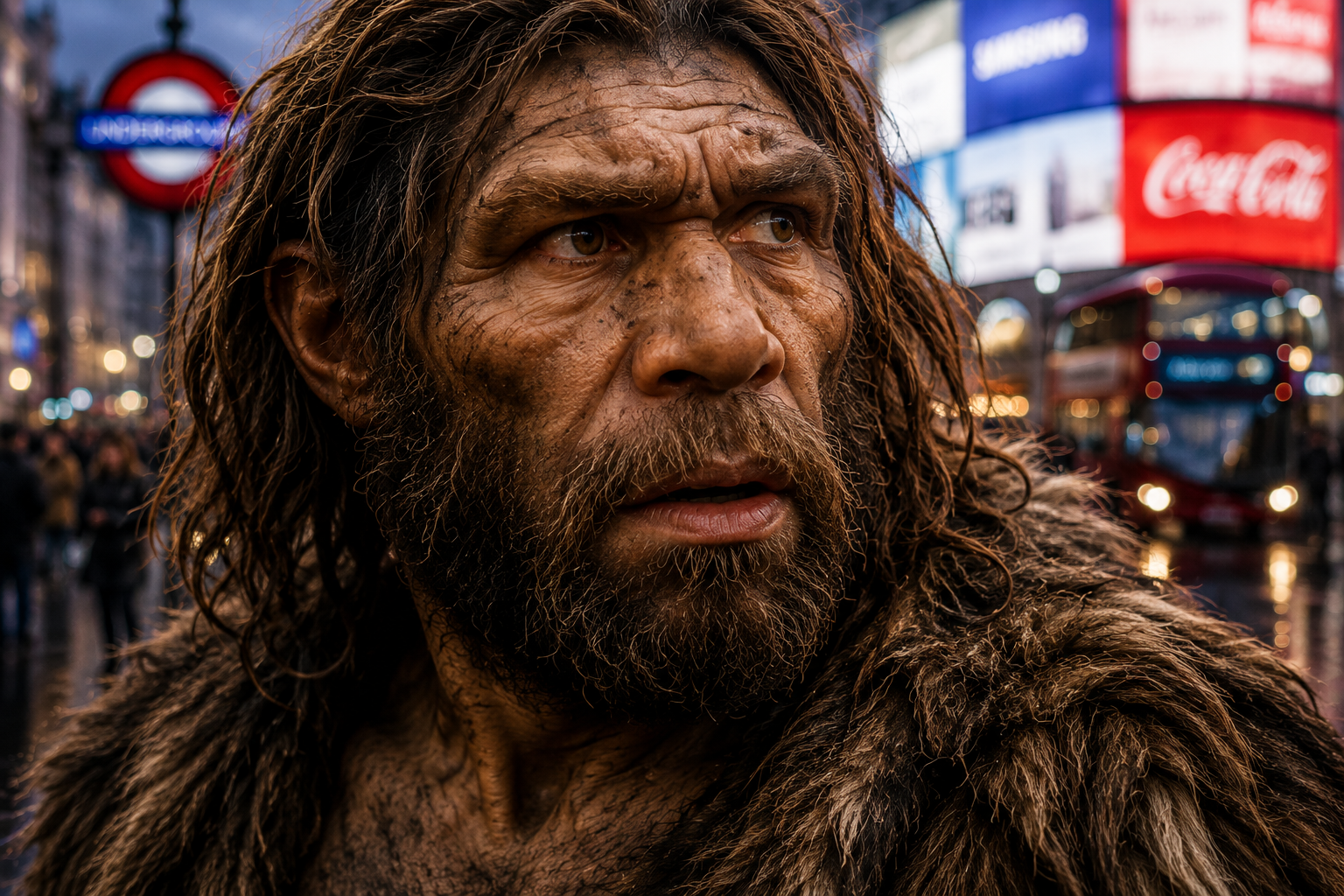
Neanderthal Man
- Physically stronger than most modern humans
- Excellent cold tolerance and endurance
- Skilled hunter and problem solver
- Highly observant in unfamiliar environments
- No money, language, ID or modern education
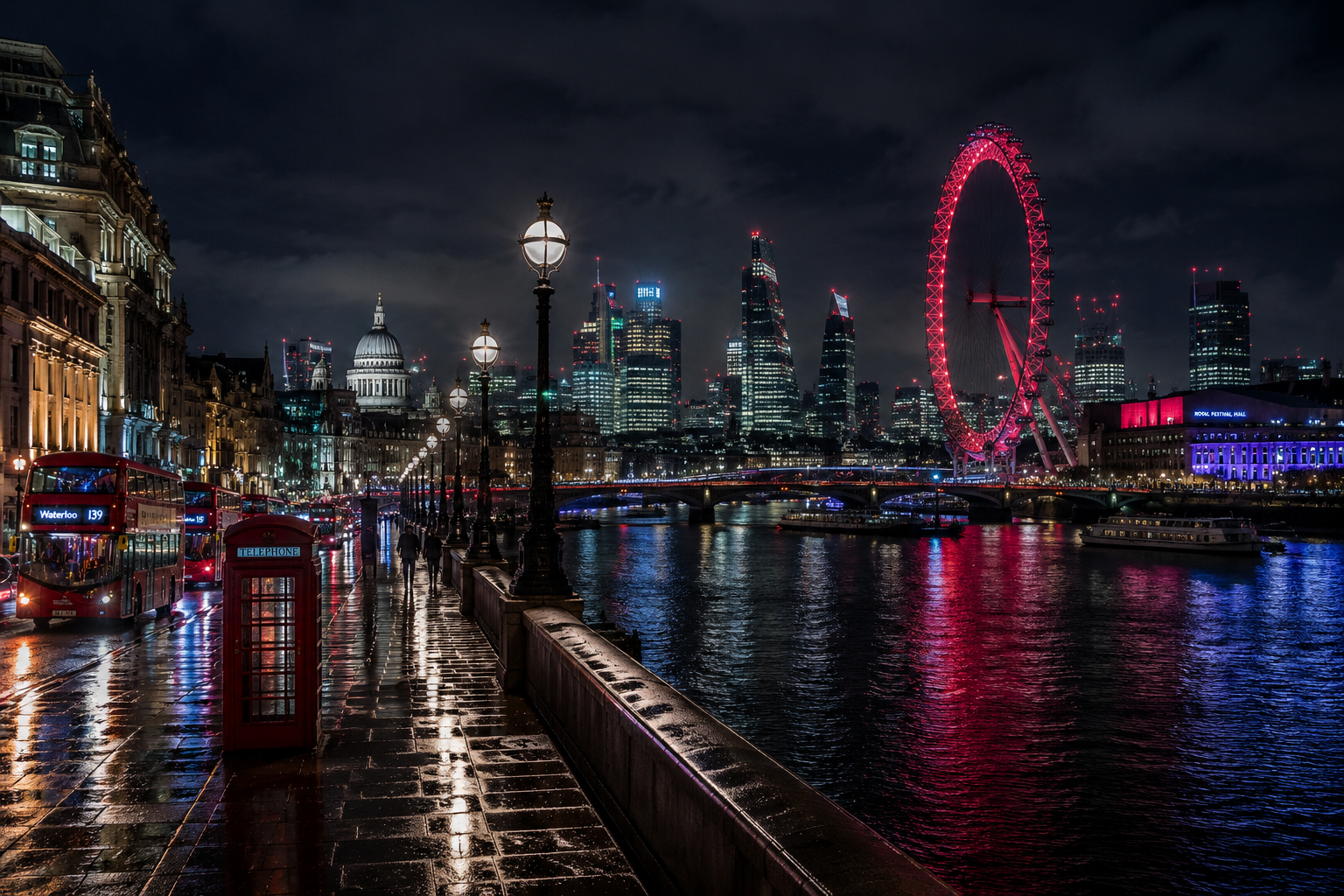
Modern London
- Population of more than 9 million people
- Complex transport, laws and surveillance
- Food exists everywhere but requires money
- Healthcare, housing and ID systems create barriers
- Technology and language make survival difficult
The Survival Rounds
Can an ancient human survive one year in modern London?
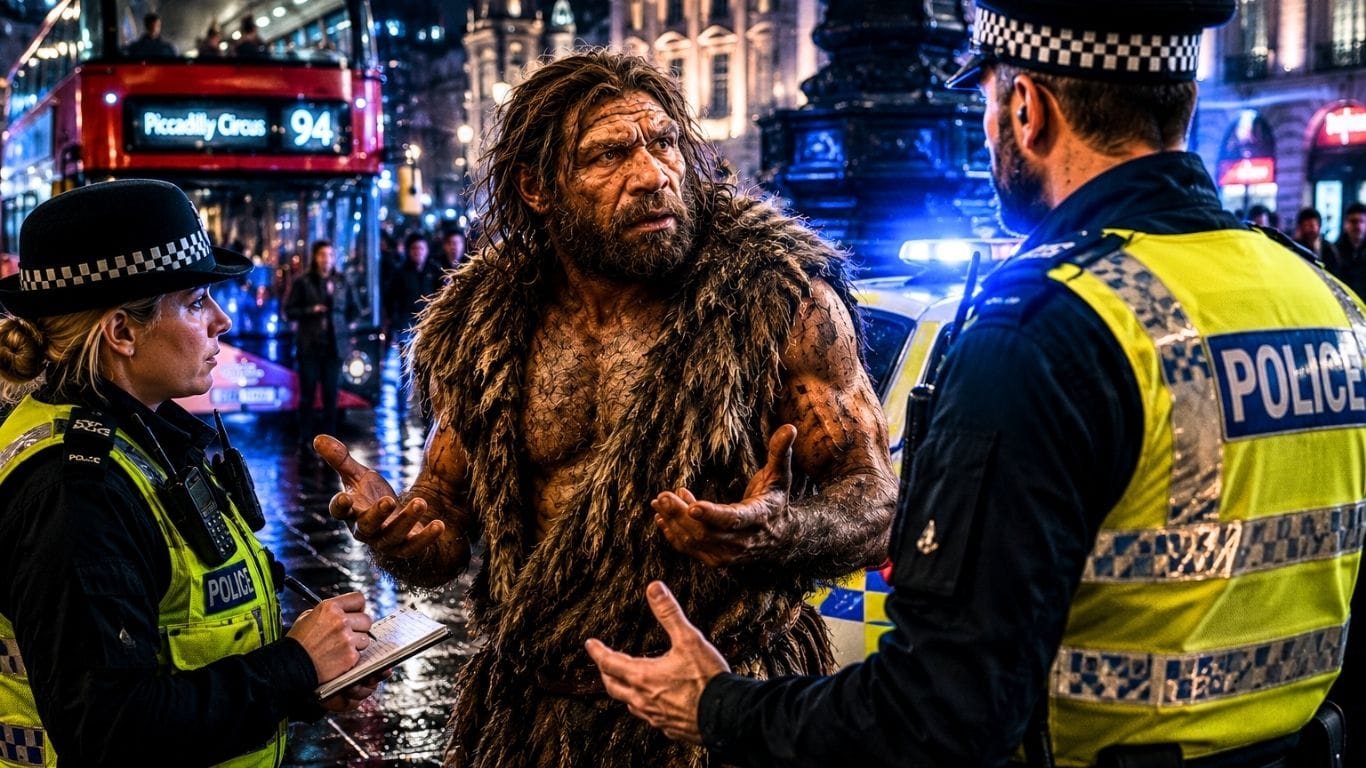
Immediate Attention
A confused Neanderthal in central London would attract attention fast. Crowds, CCTV, police and smartphones make remaining unnoticed almost impossible.
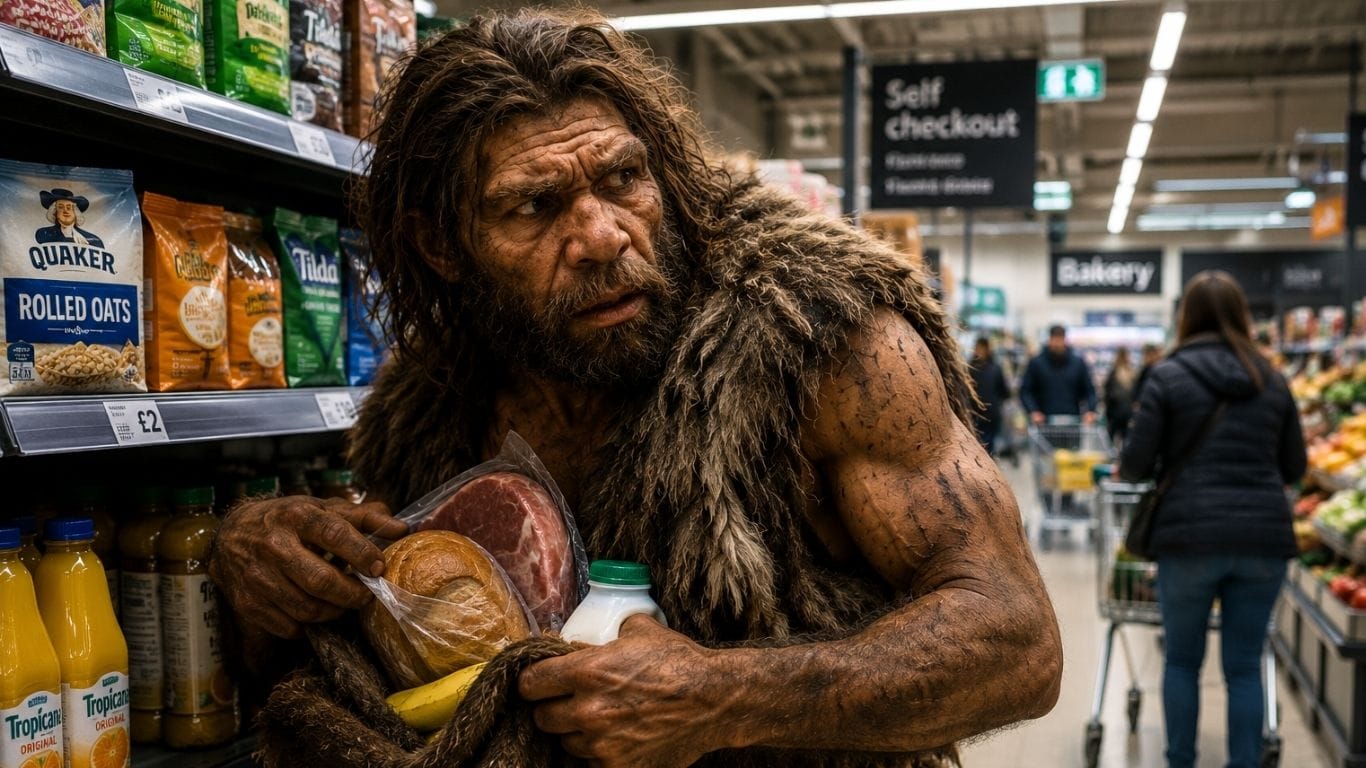
Food & Drink
Food is everywhere, but he has no money and no understanding of shops. Hunger would likely force theft, scavenging or risky human interaction.
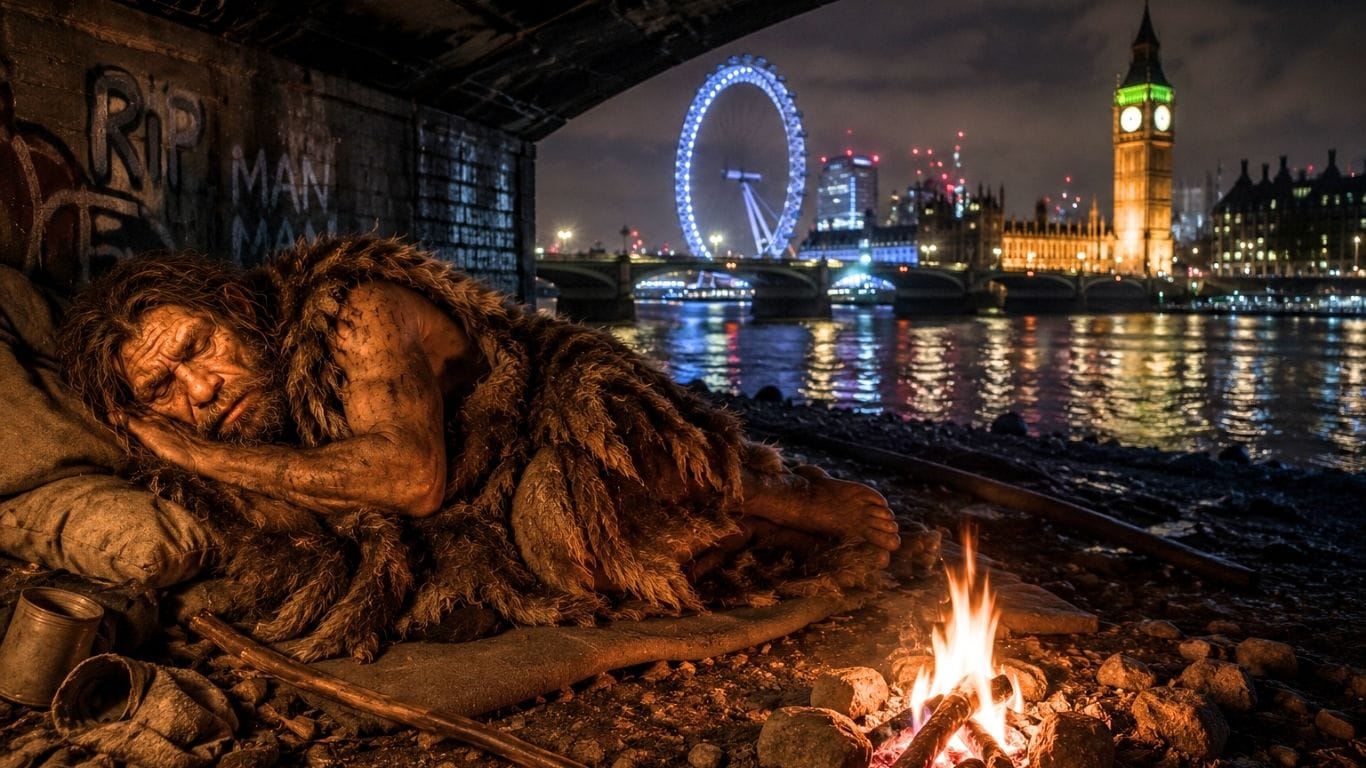
Shelter
He could tolerate cold weather better than many modern humans, but rough sleeping, rain, police intervention and the lack of secure shelter would slowly wear him down.
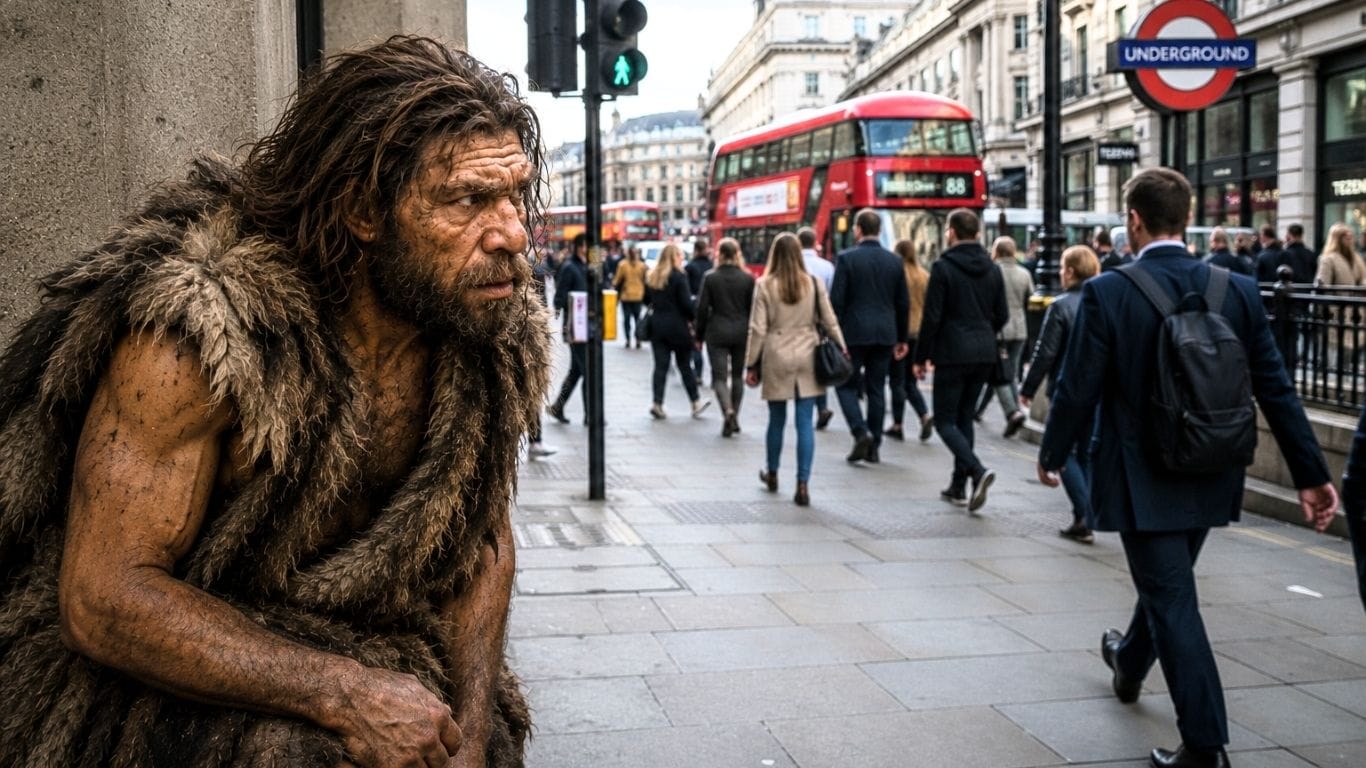
Observation
This is where he gains ground. Neanderthals were intelligent, observant and highly adaptable. He may begin recognising patterns, routines and opportunities.
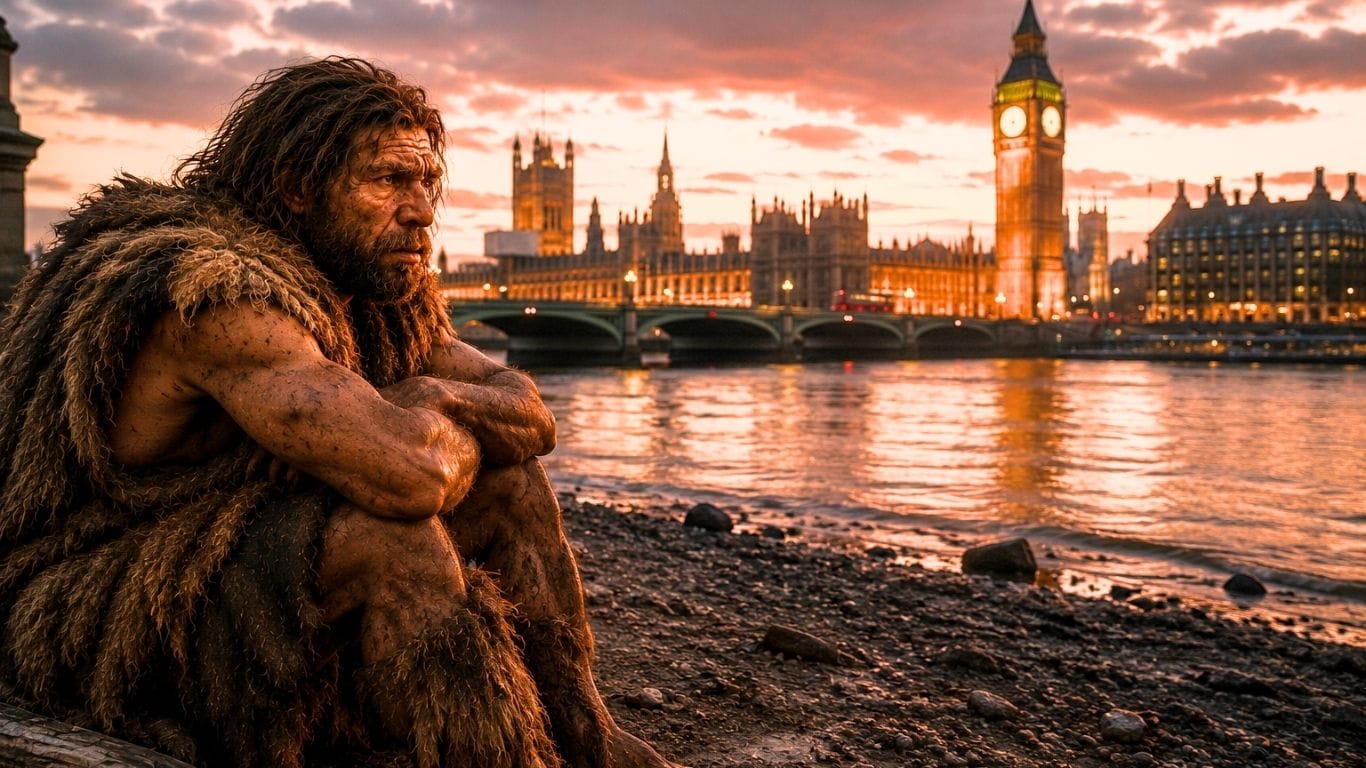
London
The city itself is the final opponent. Language, money, bureaucracy, healthcare, transport, laws and technology combine to create almost impossible barriers.
The first night is chaos. Sirens echo through the city. The Neanderthal finds shelter beneath a bridge near the Thames. Hungry. Cold. Confused.
Over the following weeks, curiosity begins to replace fear. He starts observing people. Learning routines. Following crowds. Understanding where food appears and which humans are threats.
Despite his intelligence and adaptability, modern society remains a maze of language, laws, money and bureaucracy. Every day becomes a battle against systems he cannot understand.
The struggle slowly becomes something larger than survival. It becomes intelligence versus civilisation.
🧠 DID YOU KNOW?
A Neanderthal could survive freezing Ice Age winters, hunt massive animals and make fire. Yet a modern supermarket, train ticket machine or smartphone would likely be far more confusing than anything they faced in prehistoric Europe.