

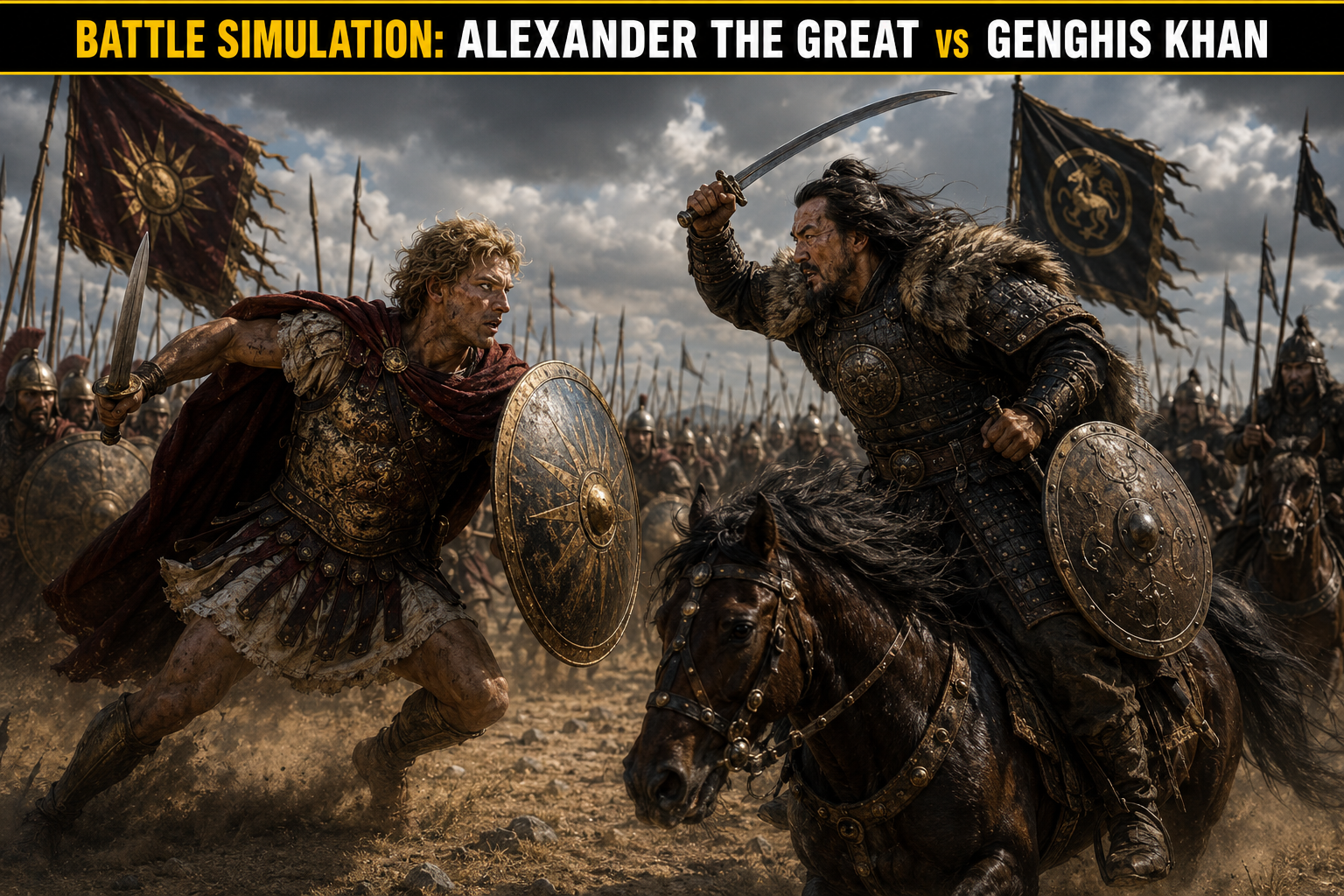
Two conquerors.
No armies.
Alexander the Great vs Genghis Khan. Strip away the campaigns and ask a smaller, harder question: who wins a duel?
Commanders of armies.
Fighters on their own.
Military achievement supplies context. It does not give us a direct measurement of individual duelling skill.
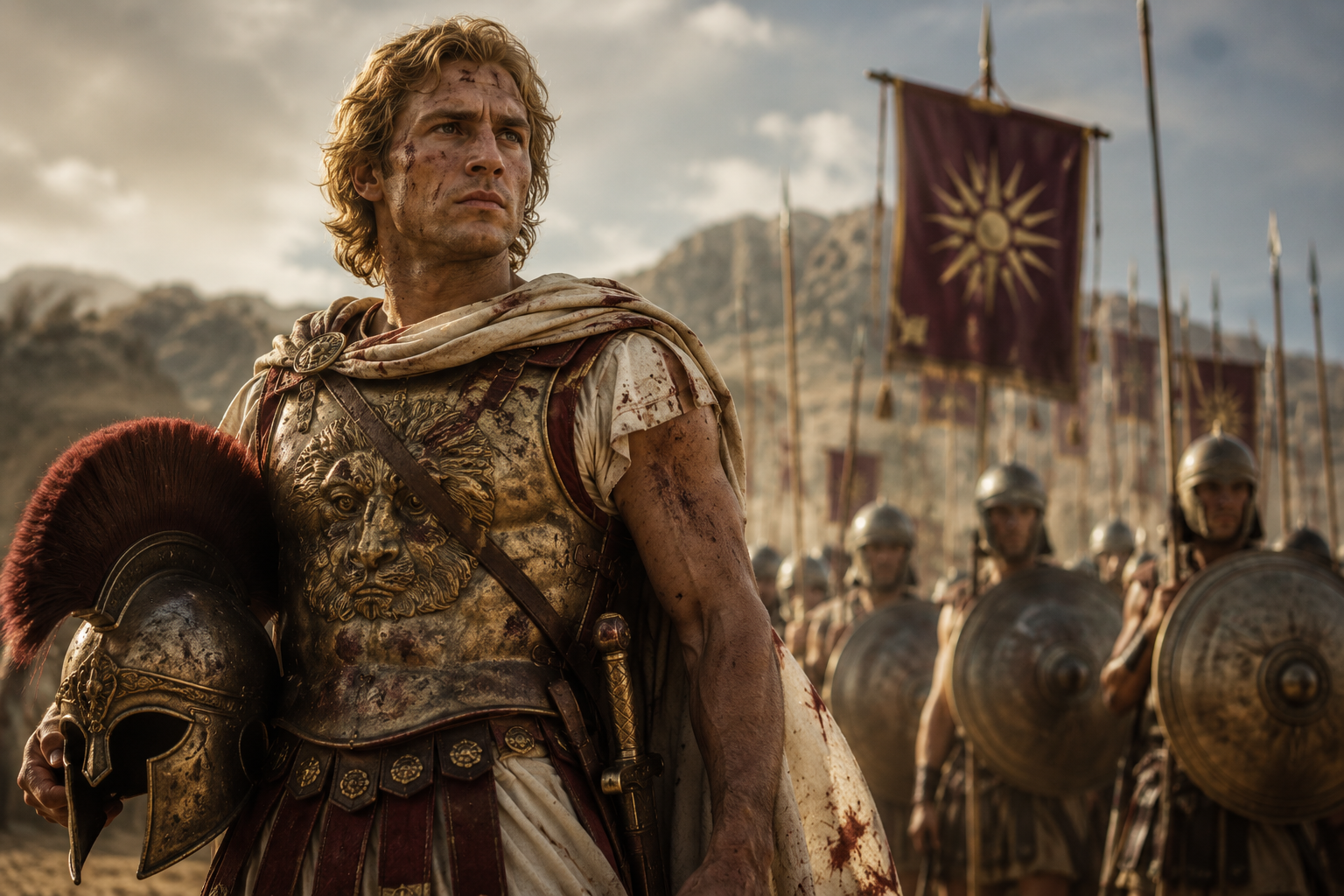 CONTENDER 01 / MACEDON
Alexander
the Great
The Macedonian king who defeated the Achaemenid Empire and campaigned across a vast territory. His reputation for battlefield leadership makes him a compelling contender.
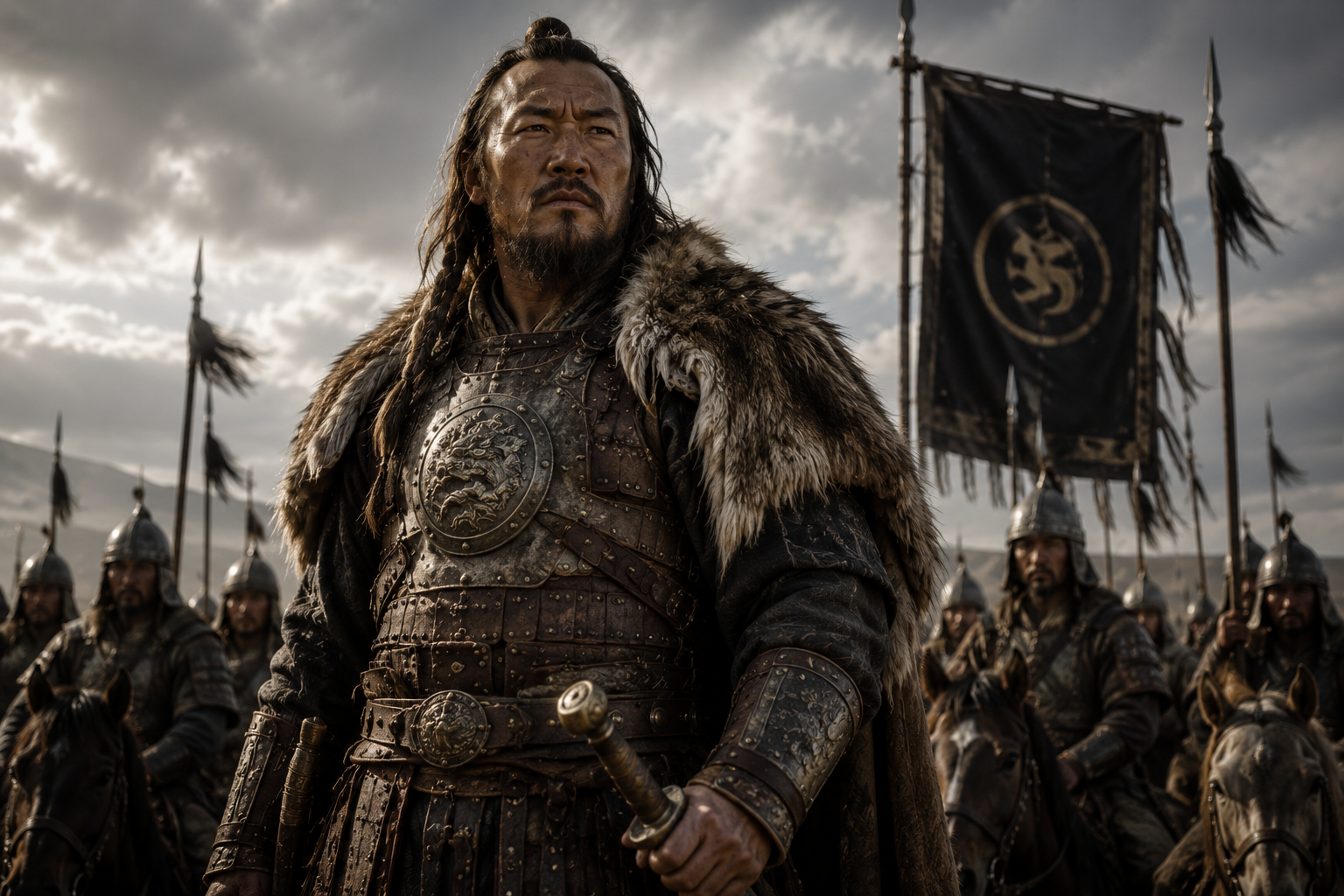 CONTENDER 02 / MONGOLIA
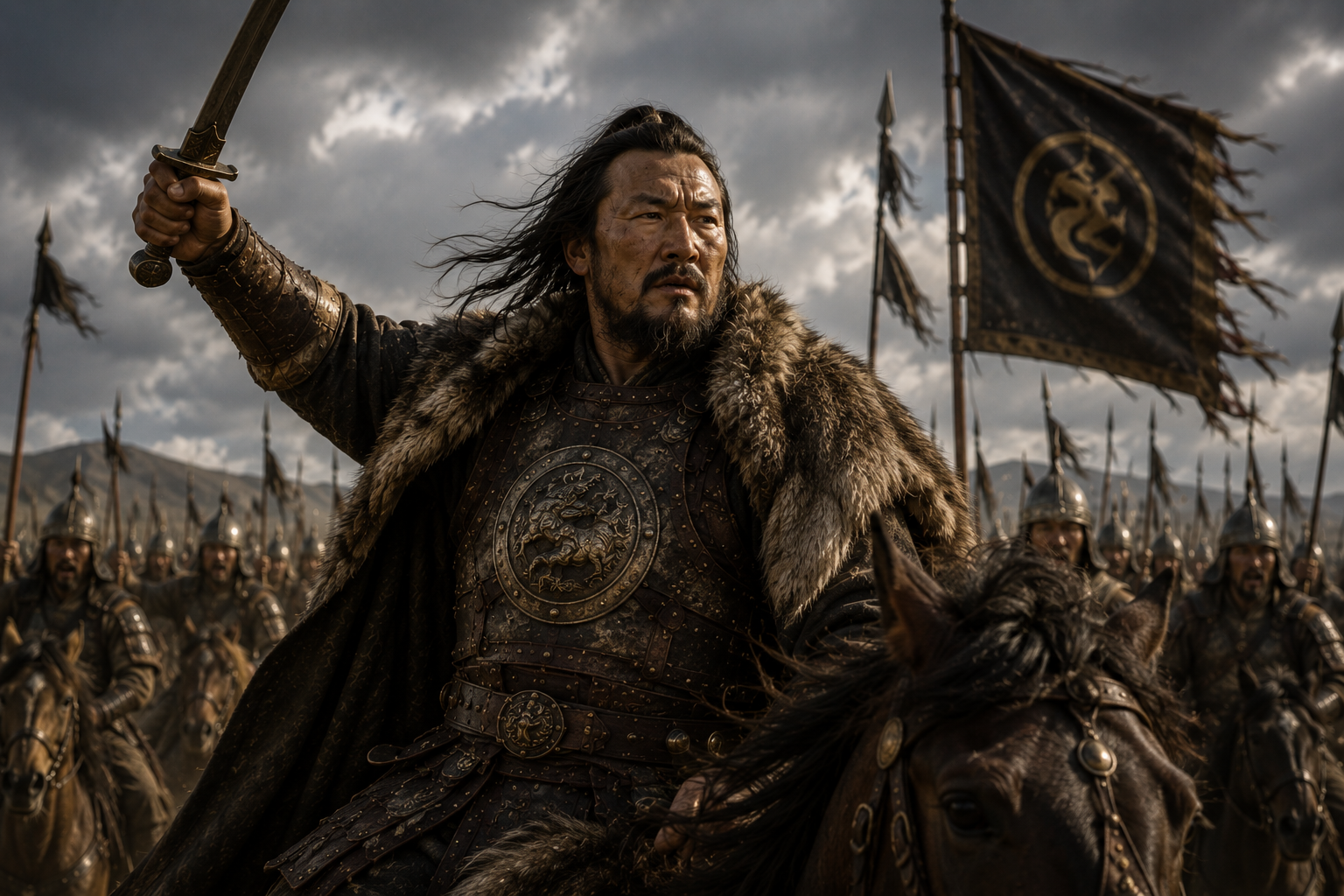
Genghis
Khan
The leader whose conquests founded an empire that his successors expanded further. His achievements in organisation and command do not settle a close-combat contest.
All portraits are fictional illustrations. They are not evidence of either man’s actual build, equipment or appearance.
Both men are imagined healthy and rested during their active military lives. Equipment parity is an editorial rule, not a claim about matching historical loadouts.
Greatness is not
a combat statistic.
A clear comparison replaces unsupported claims about body size, strength and durability.
| Factor | Alexander | Genghis Khan |
|---|---|---|
| Historical role | Macedonian king and conqueror. | Founder of the Mongol Empire. |
| Selected weapons | Sword and shield. | Comparable sword and shield. |
| Physical size | No reliable comparative measurement used. | No reliable comparative measurement used. |
| Protection | Comparable by scenario rule. | Comparable by scenario rule. |
| Command ability | Relevant to campaigns. | Relevant to campaigns. |
| Duel outcome | Not established by historical records. | Not established by historical records. |
Four questions
behind the legend.
The rules deliberately remove many of the strengths associated with leading an army.
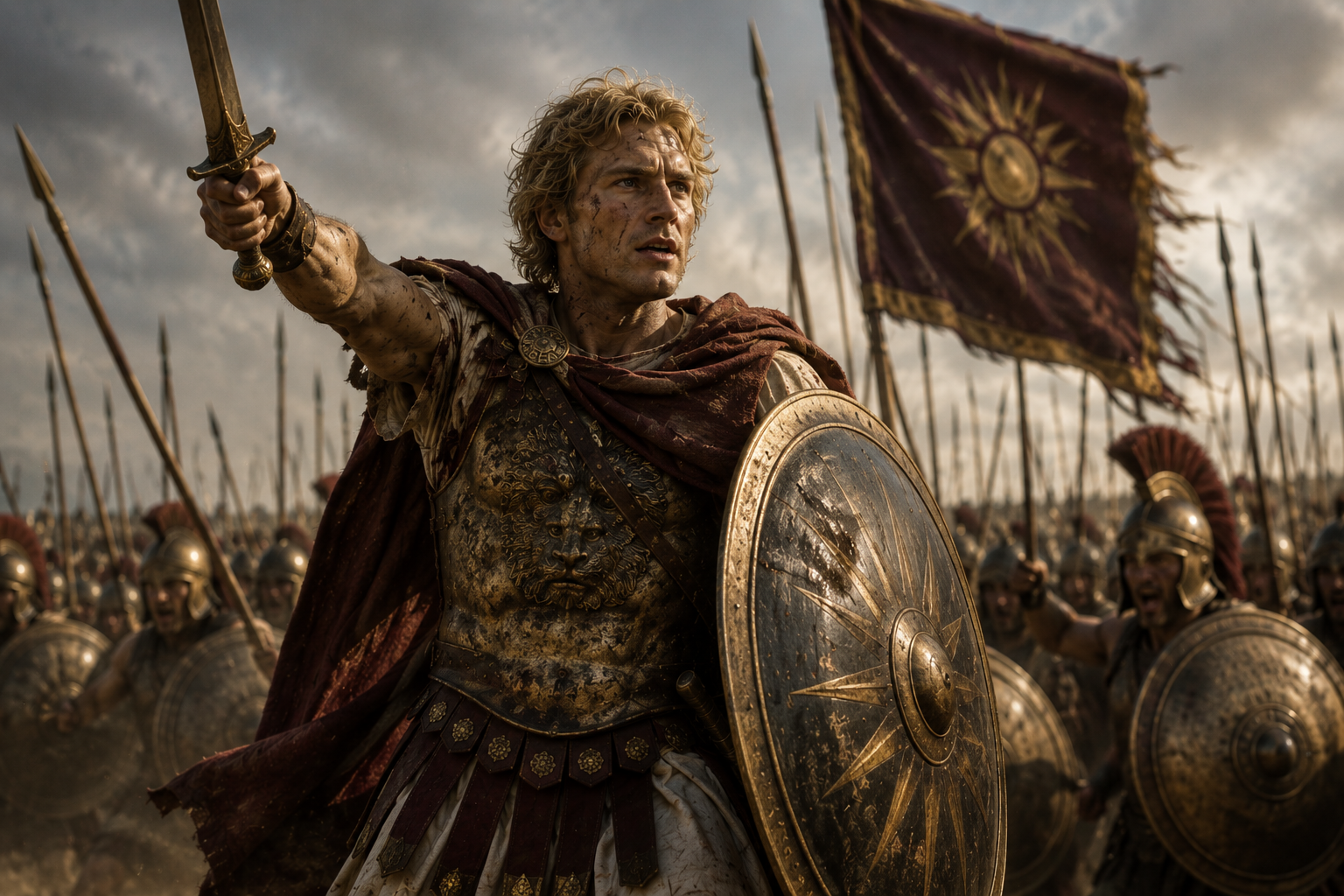
A reputation
for personal risk.
Alexander’s battlefield reputation informs our story. It does not demonstrate that his footwork, reactions or swordsmanship would outperform Genghis Khan in a controlled duel.
Hardship is
not a health bar.
A demanding life cannot be translated into a measurable durability advantage. We do not assume Genghis Khan is larger, stronger or able to absorb more injuries.
Equalise the kit.
Change the question.
Comparable weapons and protection reduce equipment differences. Excluding horses and bows also makes this a narrower scenario than a contest using each man’s wider military resources.
No formations.
No reinforcements.
Reading an opponent may matter, but winning campaigns does not automatically establish mastery of individual combat. Neither man can call on an army here.
An opening
between legends.
A fictional Alexander-winning sequence. It is a story, not the output of a tested simulation.
No armies.
No second line.
The two commanders face each other across open ground. Alexander advances; Genghis Khan holds his position. The first exchange ends with both still searching for a safe opening.
A change of rhythm draws a response. In this imagined version, Alexander recognises the opening first and lands the decisive strike. Genghis Khan can no longer continue.
Alexander wins this encounter. History supplies no rematch.
Our story: Alexander.
The historical answer: open.
We retain Alexander’s narrow victory as the fictional ending. The surviving evidence and the assumptions used here do not establish a reliable probability of victory for either man. A different equipment set or a mounted encounter would require a new comparison.
What if they fight on horseback?
That introduces horsemanship, mounts and a different set of weapons and distances. The on-foot story cannot determine the result of that separate scenario.
What if bows are allowed?
Starting distance, cover, ammunition and familiarity with the chosen equipment would become central rules. The duel would need to be rebuilt around those conditions.
What if they command armies?
That is a campaign comparison. Army composition, numbers, logistics, reconnaissance and terrain would need to be specified before reaching a useful judgement.
Did Genghis Khan personally build the empire at its maximum extent?
No. He founded the empire and led major conquests, but his successors continued its expansion. The empire’s later maximum should not be credited to his lifetime alone.
The men.
The legends they became.
Keep the scale of the campaign separate from the outcome of one imagined exchange.
- University of Canterbury: Alexander the Great — historical and collection context.
- The Metropolitan Museum of Art: The Legacy of Genghis Khan — the empire and its expansion under his successors.
These references support historical background. The equipment rules, narrative and chosen winner are editorial inventions, not conclusions established by those sources.
Grizzly Bear vs Gorilla: Who Could Win in a Fight? | Who Could Win